I talk too fast. Here's what I did about it
How speech therapy was an unlock for showing up with intention in more aspects of my life

This edition of Second Read went out to subscribers on September 9, 2026. It is my weekly newsletter that goes out to subscribers every Wednesday. You can subscribe here.
I have been a fast talker most of my life. This is a statement of fact, not a point of pride.
How we communicate and interact with the world shapes so much of our existence and what is possible.
I found myself often getting annoyed from having to repeat myself so much.
I'd have one (fast) speed for TV, a slightly different style of (fast) speaking for radio, and an even faster way of speaking in meetings and day-to-day life.
The problem was not too many humans in my life being bad listeners.
The problem was me.

You could say it was a small act of disrespect whenever I opened my mouth.
I finally got tired of it and chose to do something about it.
The technical term for what I do is speech cluttering, effectively chopping syllables off of words to get it out, and surprise surprise, being asked to repeat myself.
For the past six months, I've been working with a marvellous woman named Bonnie Gross from SpeechScience in Toronto.

I turned 40 years old earlier this year and it has led to a lot of bigger, constructive life reflections.
What do I want to do with the next chapter of my life?
How do I want to make my dent in this world?
What matters to me, what do I value, and how can I share that with others?
Talking fast and the energy that goes with it is very much a part of my personality, but that excuse was selling myself short and cutting me off from better connecting with people.
The reality of changing something you have done one way for so long, is you first need to unlearn some old habits and start small in building new ones.
Anyone who has studied a second or third language as an adult can probably relate to the humility and discipline required to go from mother-tongue proficiency in one language and being limited to speaking like a toddler in another. It takes constant study and practice to build comprehension and expand vocabulary.
How we talk and communicate is often done subconsciously, so Bonnie's first fix for my problems was effective because it offered a simple way to give my mind a constructive method to break the habit with ongoing action.
Any guesses? Pause for a second, and ask yourself. What would the first step be other than "slow down?"
Slow down was not it. And if you think about it, if it was that easy, I would have slowed down years ago.
To break my fast-talking, cluttering habit, Bonnie's first tip was: "be sure to pronounce the consonant of every word."
What made it so effective, was rather than being a negative instruction policing the bad habit, it gave me something positive and doable to act on.
It was a practical, near-overnight improvement that had me beginning to enunciate better whenever I thought of her tip.
It was satisfying and gave me the promise of a bigger payoff and got me reflecting on how I communicate, whether in interviews or day-to-day life.
How I breathe when I speak (I wasn't), my intonation (was too monotone), and how I organize the thoughts in my head as I speak have all improved over the past six months.
Every time Bonnie introduces a new tool to act on, it comes with a short struggle to do it and a deliberate mindset to adopt it.
One of the things I have taught clients over the years when doing media training, is that how you talk in a radio or TV interview is quite different from a normal conversation.
You need to be intentional about why you are doing an interview and what you want to say when the opportunity (generally positive) or need (crisis communication situations) arises.
Getting clear about what you want to say and providing a framework to make it a learned skill is the value being paid for. It's a payoff that yields results every time you do another interview more effectively as a leader in your field. If that's a gap on your team, let's talk about it.
On a deeper level, my speech therapy work with Bonnie got me thinking a lot more about intentions and respecting each interaction and moment better.
If you are going to communicate, you need to respect and connect with your audience for it to have its intended impact.
In no small part, that intentionality has been the bigger impact on other aspects of my professional life.
This summer I came across a clip of John Cena doing a sit-down with Pete Davidson, where they discuss the deeply sensitive work of being "the wish" in support of the Make-A-Wish Foundation.

To be the wish, John Cena recognizes that you are signing up to be the hope for that kid.
Nothing else in your life matters that moment. You are there to create the hope for the kid who needs it and the "wish" subject needs to check everything else at the door to be their best then and there.
The four minute conversation is deeply moving and it has really stuck with me over the course of the summer.
Speech therapy has helped my speaking skills improve. Its greater gift has me showing up with intention in more of life's moments.
I am excited to keep building, with intention.
From Conaptus
Canadian cabinet ministers gather in Banff tomorrow, and they are talking to reporters on background to gripe about being asked to account for the work they have done.
CTV National's Ottawa bureau story features many of the usual components that drive media coverage of this nature: conflict, impact, drama, how power is wielded.
While it's not surprising that political staff from the Trudeau years would need time to adjust in a change of operating methods, it is surprising to hear cabinet ministers admitting on background they are allergic to accountability 16 months into a new mandate.
What does this say about how Ottawa currently operates?
What can we learn from this disconnect between leadership and the team's view of expectations? This disconnect is far from unique to federal politics.
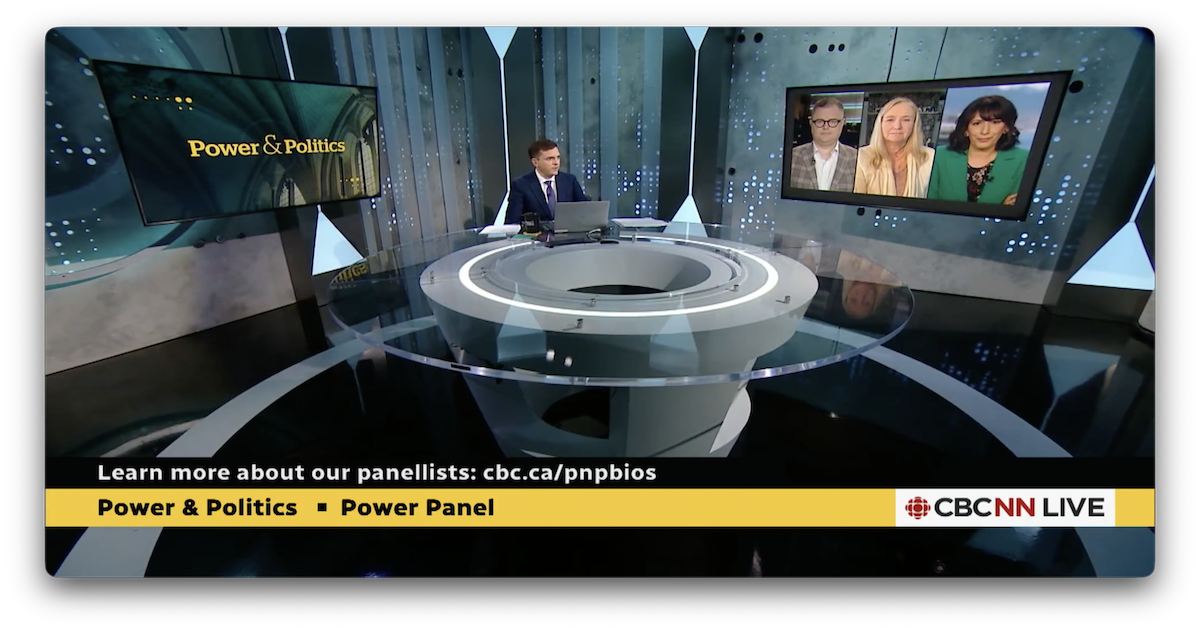
On her radio show yesterday Vassy Kapelos asked what my advice to the cabinet would be.
Have a listen to the clip and maybe think about how you can answer similar questions in your own role and apply it to finishing the year strong by refreshing your organization or division's strategic planning, and making sure you and the team are aligned on what you are working to accomplish.

Three things I'm reading this week
(this is real) by Jen Gerson, The Line
Jen's got a provocative and compelling read in The Line that argues the rupture in the Canada-US relationship is getting worse and not soon to be fixed. She grapples with the repercussions of the bilateral relationship ending and the need for Canada to get through the stages of grief to be clear-eyed about what new reality we are creating.
How AI can put out its PR dumpster fire, Robert Armstrong, The Financial Times (paywalled)
AI is perhaps the hottest topic of 2026 and the industry's PR problems are widespread. The sector has growing trust challenges with the general public and elected officials. Selling the long-term fantasy AI enthusiasts envision is unlikely to create trust or win over skeptics, but instead scare more people to oppose what is coming. Armstrong offers five concrete ideas to help solve the industry's growing PR problem.
Toronto: Biography of a City by Allan Levine
With Toronto's mayoral election fast approaching, I have been reading Levine's very fun biography of the Great City of Toronto. The city's often prudish leaders have never quite been in control as they would want you to believe, and debates about how we use road space have been raging for centuries! (Still on this one, new one next week).
If something here landed, or missed, tell me. This gets better the more of you talk back.
Cheers,
-JE

More from the team

Let's talk about the moment in front of you.
Whether you're shaping a long-term position or navigating something urgent, a focused conversation is the fastest way to know what's possible.