Aspiring thought leader? You need thoughts worth following
Thought leadership is earned, not claimed. What it takes to become a thought leader, why it isn't a sales pitch, and why you should start niche.
This edition of Second Read went out to subscribers on October 21, 2026. It is my weekly newsletter. You can subscribe here.
If you want to be a thought leader, you need thoughts worth following.
Thought leader is a buzz term that gets thrown around a lot these days.
Peruse the LinkedIn job board and you'll find companies large and small looking for storytellers who can make an executive team thought leaders in their field and feted with the aura of prestige they hope accompanies it.
This week, I want to build off last week's How to start building an earned media strategy, and explore what makes a "thought leader."
Key takeaways
- Have something to offer. In practice, you are giving away insights to reach a broader audience.
- Know what it's for. Clear objectives make it easier to identify win-win opportunities.
- It is earned, not claimed. Sustained efforts and resources are required to earn the benefits.
You need to be a leader
To actually be a thought leader today is to play an outsized role in shaping the public conversation. It's an earned position that no one is entitled to.
Political leaders do this all the time in public, and business executives do this amongst their industry discussions while often also in communicating to the broader public.
Think of all the stories you read, whether general news, business coverage, or a trade publication and niche conversation on social media.
In news coverage, the experts being quoted are sharing their insights with a journalist. In exchange, they have earned the privilege of connecting with the audience of that outlet.
In social media conversations, effective thought leaders take clear stances in shaping the conversation around their area of expertise and (generally) engage in good-faith dialogue and debate about the issues important to that niche group.
Whether online or in the media, it's the sustained engagement in offering their unique insights that generates the coverage and builds the reputation as a thought leader.
If you have nothing unique to offer, you cannot be said to be leading. Be honest if being a "thought leader" fits with your objectives and brand goals. There are several other communications channels you can pursue if it's not for you.
It's not a sales pitch
Executives communicating in these arenas are not making sales pitches for their products or services.
In idealistic terms, they are offering their expertise to help others understand a situation or an issue that is attracting attention. You are helping people make sense of the world and aiming to leave them better informed by sharing your thoughts.
It's a different way of communicating and should not be confused with copy that your marketing team is generating to speak to each point of your sales funnel.
The main benefit of being a thought leader is increasing your brand awareness. It helps grow your network and provides an opportunity to shape industry's or the public perception on the issue you are well suited to lead on.
Start niche
Start by growing your voice in your industry before you try to get the Wall Street Journal or Globe and Mail to publish you.
You are in a leadership role in your industry. If you want to be a thought leader, join the conversation where you already have credibility.
The growth of interest or niche media has created a plethora of opportunities to join the public conversation.
Do an honest assessment: What industry sources do you turn to? Where are the conversations taking place that shape your own thinking? Who do you look to as a leader and what can you emulate from how they operate?
Industry media, online conversations, association panel conversations. Growing a presence here will increase your visibility, and when people do go looking for experts in your field, it will improve your discoverability.
From Conaptus
Conaptus is my practice: strategic counsel for leaders in the moments that matter, from a sensitive announcement to a crisis in full view. If you or your team are heading into one of those moments, let's talk about it.
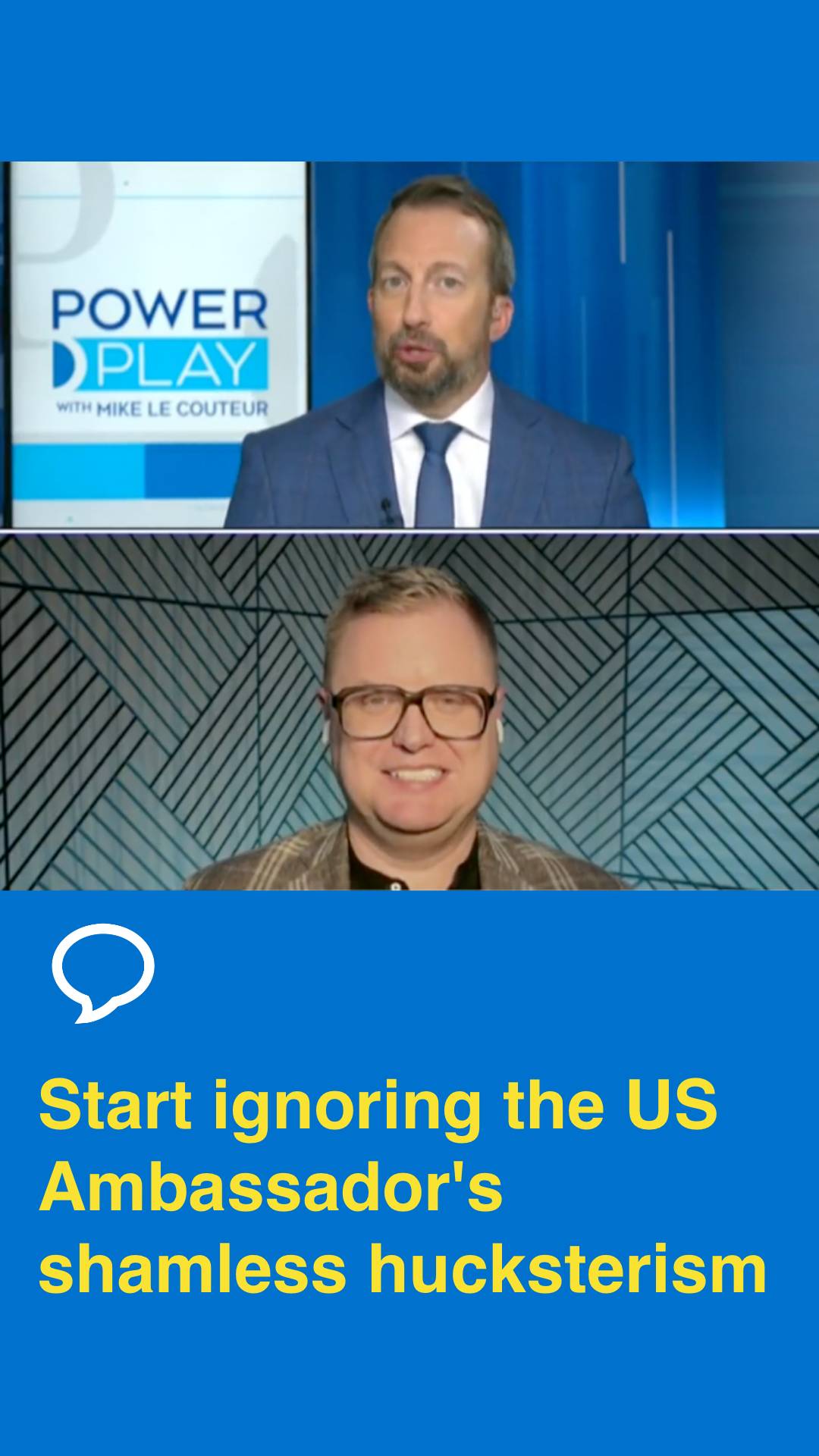
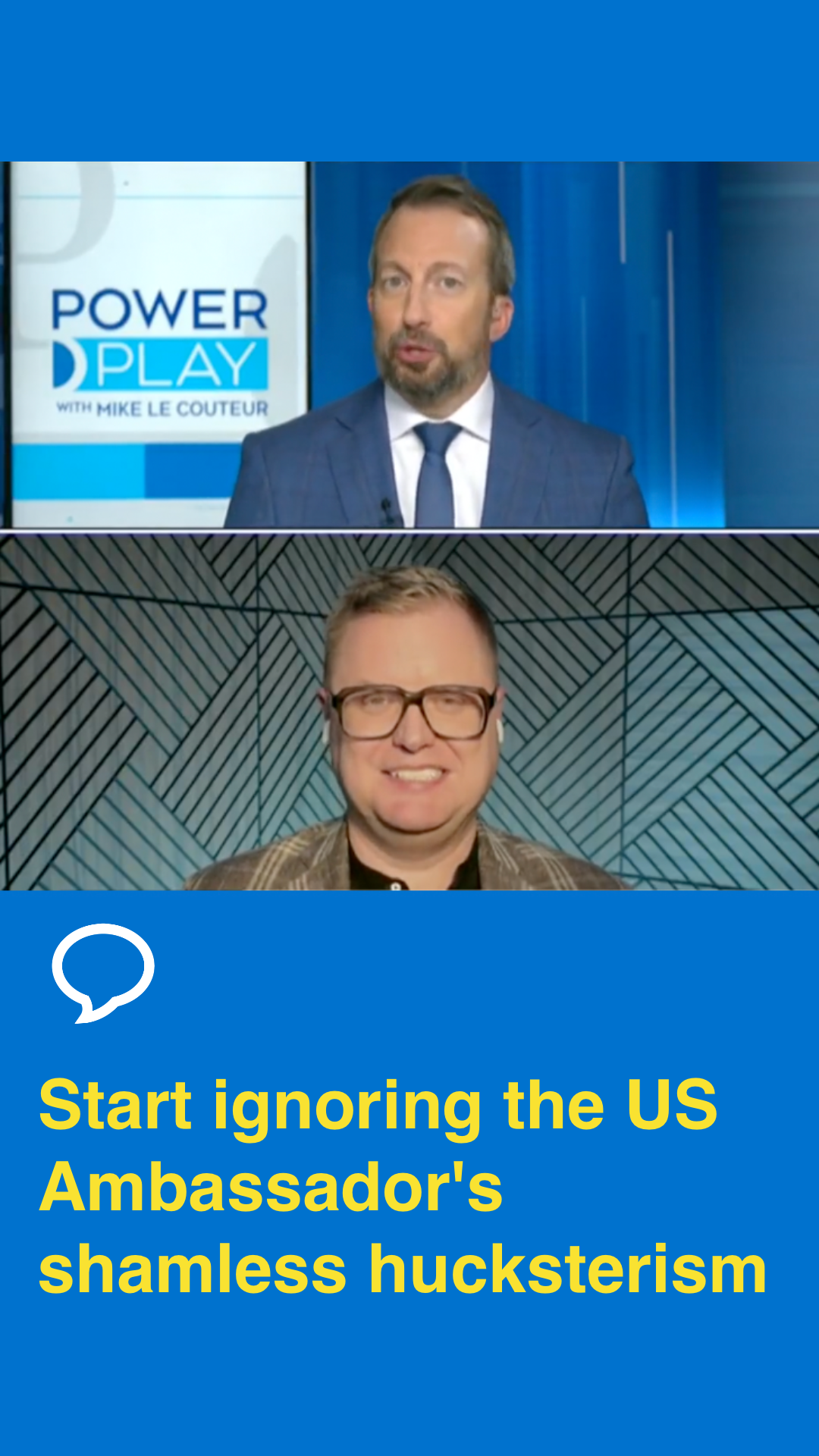
My take on CTV's Power Play last Friday on how best to respond to the US Ambassador's antics.
Three things I'm reading this week
Salad days: How a Canadian is taking a bite out of America's monopoly of our dinner tables by Joe O'Connor, Financial Post
This feature from the spring dives into the technology revolution that's enabling tastier, fresher mixed greens grown right here in the GTA making their way to Canadian tables. They've become a staple in our home and they last longer in the fridge as well. Win-win.
Building A Story Brand 2.0 by Donald Miller
Donald Miller's first edition was recommended to me by my friend Julie Vaux years ago. The short takeaway: make yourself the supporting cast that enables someone else to be the hero when communicating your brand story. He recently published a 2nd edition I'll be diving into this fall.
Mark Zuckerberg Versus The Pint of Guinness by Jason Gay, Wall Street Journal
"Zuck v. Beer is the latest example of the tech zillionaire’s dilemma: How to present as normal, when there’s little normal, not the product, the back story, the ascension, fame, power, praise, criticism, and certainly not the wealth." A fun read poking at the perils of faking "authenticity."
If something here landed, or missed, tell me. This gets better the more of you talk back.
Cheers,
-JE

More from the team

Let's talk about the moment in front of you.
Whether you're shaping a long-term position or navigating something urgent, a focused conversation is the fastest way to know what's possible.